Amnesty International is a global organisation with members and activists worldwide who endlessly campaign to end human rights abuse.
Photographs and video are key to their strategy of lobbying for support for those living in tough regimes.
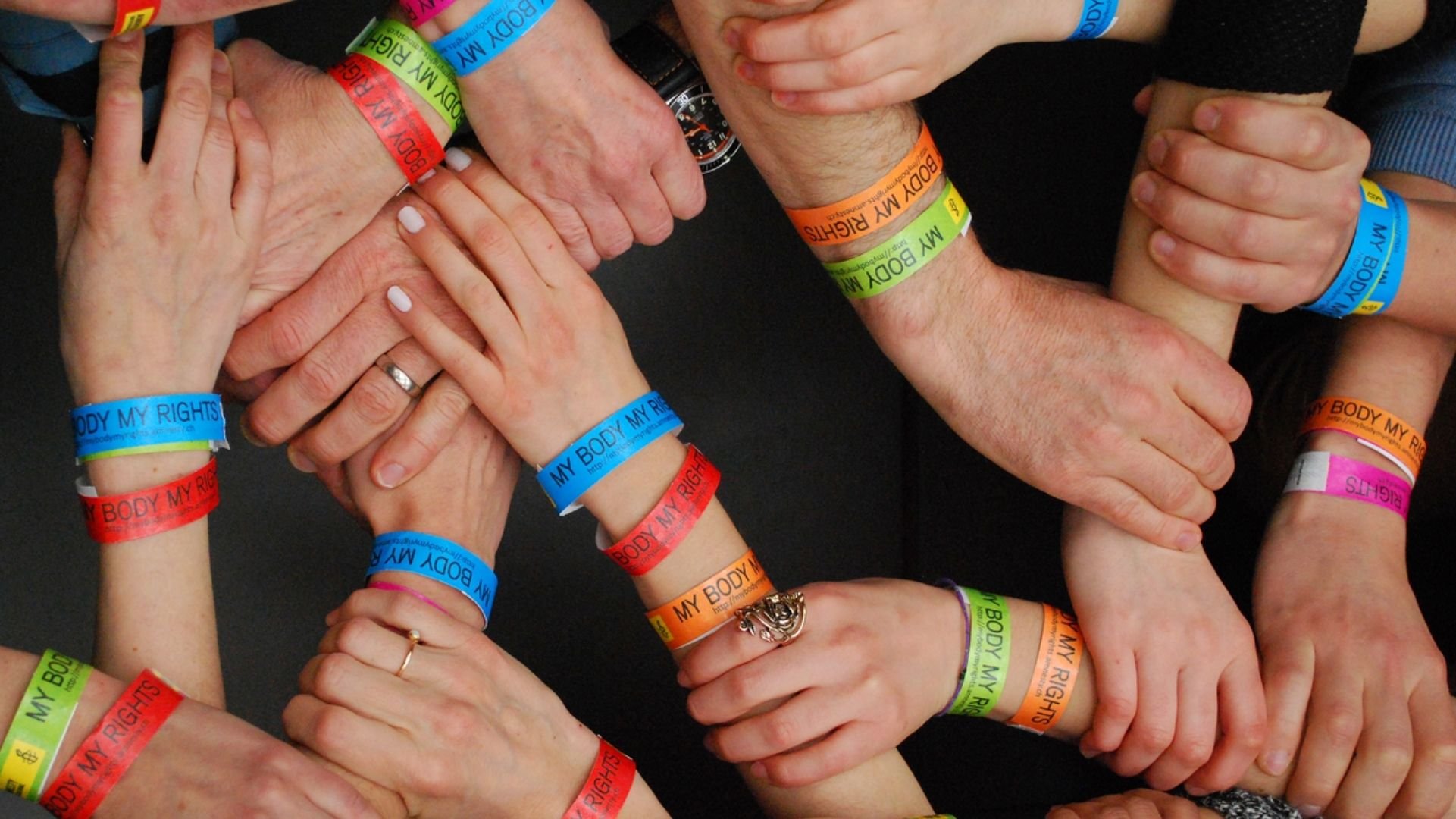
It was essential that Amnesty International had a digital asset management solution that provided flexible permissions to protect people featured in marketing campaigns that were helping them in the fight against human rights abuse.
Many of us have heard of the atrocities that take place worldwide under military dictatorships and other regimes where basic human rights are violated. However, how many of us think about the power of the internet and the role it plays in helping raise awareness of these atrocities?
As a grassroots human rights organisation, Amnesty uses the digital sphere to spread the word and encourage others to help in their fight to defend human rights and other global issues.
.jpg?width=1280&height=853&name=Amnesty%20case%20study%20(stock).jpg)
As a worldwide human rights organisation, it goes without saying that Amnesty International need to manage images and videos in a way that ensures the protection of the people in the visual media as well as those who created them.
They also need to make sure that everything is used in the right context and with the right messaging.
"Our requirements for digital asset management are fairly complex. We need something that is a hybrid of archive and distribution and one which needs to have complete transparency of where the file has come from and who can use it.” – Phil Ellerton, Audiovisual archivist at Amnesty International.
For many files, context is key. If certain images are released in certain regions, lives risk being compromised. Therefore, it was vital that Amnesty’s DAM solution was specifically configured to communicate exactly when and how an asset can be used.
Asset Bank rose to the challenge of creating a tailored DAM system that acts as a centralised repository and archive for Amnesty’s images, audio, video and other digital files.
Managed by the Amnesty team in London, each country has different hubs that allow their users to control and access their own collections of assets. These collections are used for marketing campaigns, while the embedded security settings allow them to manage press access.
Many of the files operate on a traffic light system. Red means an asset can’t be used and green means it can. This simple, yet highly effective system, means users understand what they can and can’t use, no matter what language they speak.
Furthermore, with many of the visuals being of a sensitive nature, Asset Bank has the ability to hide the image preview with a warning box to ensure that the image content doesn't shock the user when browsing.
%202.jpg?width=1280&height=853&name=Amnesty%20case%20study%20(stock)%202.jpg)
Asset Bank was the ideal DAM solution for Amnesty International, because it’s able to collect information about where a file has been sourced from, and whether or not a photographer needs to be credited. This information is then displayed - prior to an image or video being downloaded. It’s also embedded in the actual asset itself at the point of download, ensuring that this key information is never lost.


.png?width=1921&height=1080&name=Case%20Study%20Banner%20Template%20(22).png)
.jpg?width=2000&height=934&name=ShelterBox%20Case%20Study%20(5).jpg)