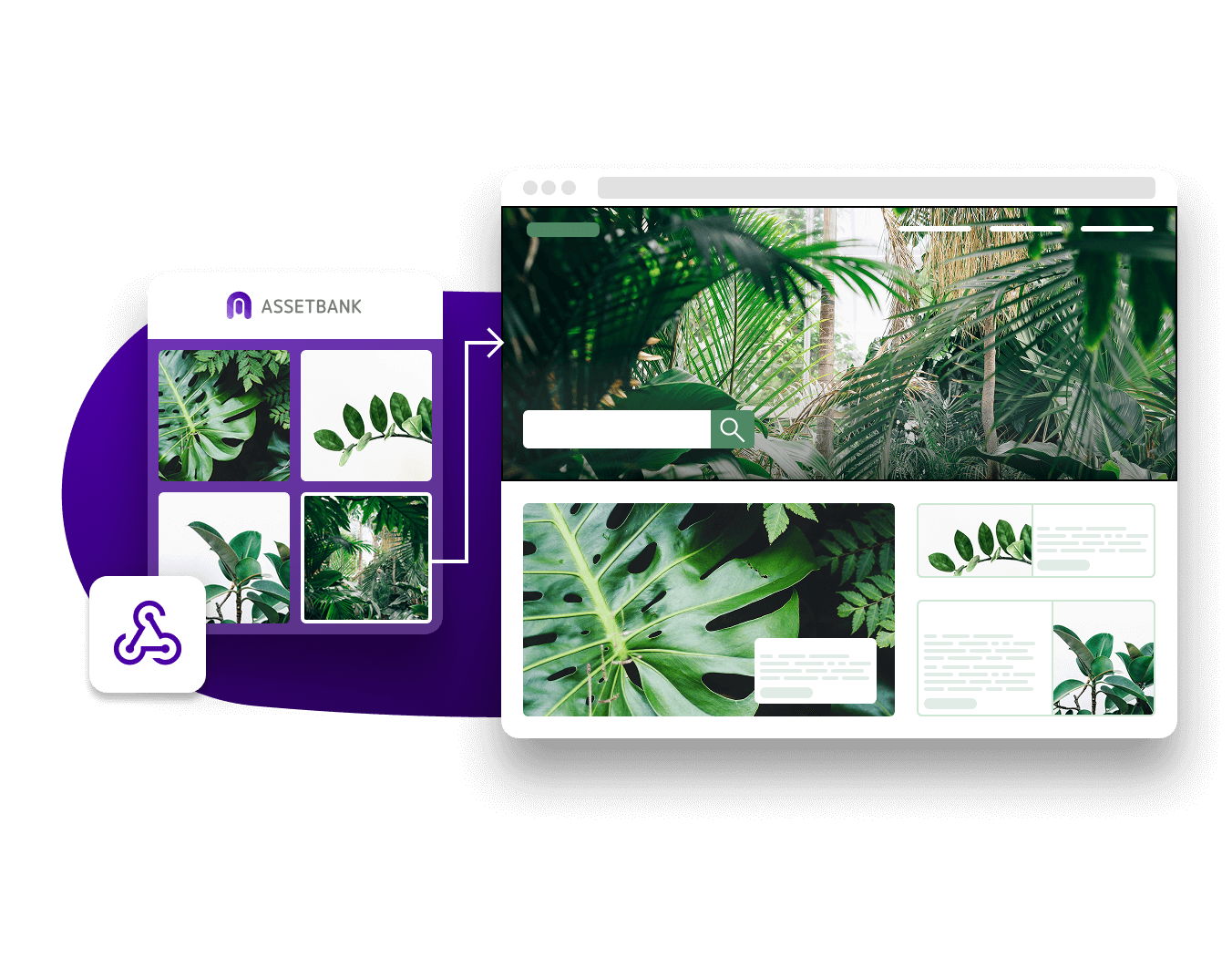
Stadium Australia (previously known as ANZ Stadium) transformed the way its sales and marketing teams manage and access digital content by implementing Asset Bank, replacing fragmented network drives with a centralised, searchable image library.
Faced with a rapidly growing volume of images and the need to collaborate across teams and external partners, the organisation streamlined asset management, reduced duplication, and enabled faster self-service access to approved content – saving significant time and improving brand control across the business.


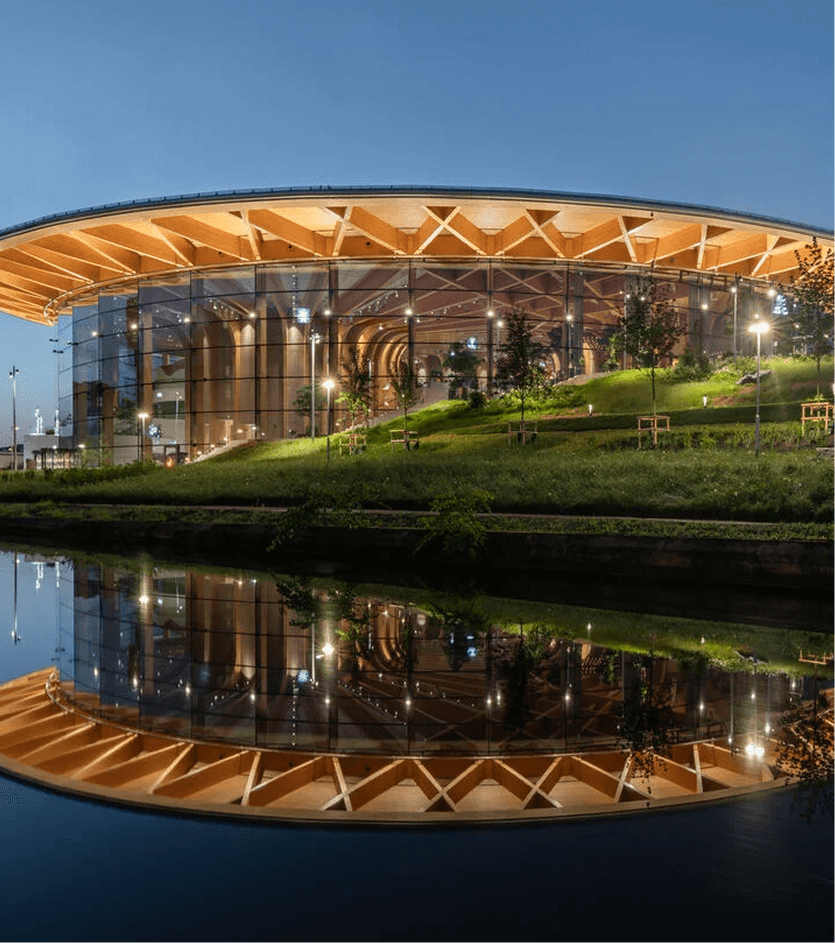
The stadium, in Sydney, was purpose-built for the 2000 Olympics. At the time that the games were held, the stadium was the largest of its kind, with a capacity of 110,000 people.
Now, it holds up to 83,500 spectators. People flock from around the country to watch sports and internationally renowned entertainment acts such as U2 and The Rolling Stones.
With events and concerts being held all year round, you can imagine the amount of imagery, photography and video that needs to be produced, promoted and stored.
The sales and marketing team found it was increasingly difficult to manage their growing library of images on their network drives.
And, they weren’t just dealing with their own files. They were also collaborating with external organisations on campaigns throughout the year.

With each campaign, they needed to select a series of images to accompany it. By relying solely on the network drives, this task was becoming more and more time-consuming. Images were being saved in the wrong locations, there was little coherence around naming conventions which caused duplication, and searching for images took up far too much time.
The team’s found it easier to simply reuse old images for campaigns, rather than source new ones and as a result, it meant brand consistency was suffering and creativity was being stifled. It was time for a change.
Stadium Australia decided they needed a DAM solution that would:
Be a centralised location for all of their images, videos and more
Be accessible from anywhere via a web browser
Make searching for assets easy and allow users to find exactly what they need, as quickly as possible
Give them the ability to set up user groups and permissions across various departments
Provide approval workflows to ensure relevant departments can authorise the use of images for particular campaigns
After evaluating Stadium Australia's needs, our team was confident that Asset Bank was the solution for them.
Not only would it save them time on a daily basis, but it would allow the sales and marketing teams to source new assets for themselves, leaving more space for creativity and new ideas.
So, when they were ready, we rolled out Asset Bank for them. We configured the system to meet the marketing and sales departments' requirements before delivering admin training to the people who would be using Asset Bank on a regular basis.



The biggest result for Stadium Australia is the time they’ve saved.
No longer are the sales and marketing teams spending hours trawling through assets on the big company network drive. Instead, Asset Bank’s intuitive search function means they can quickly source new images within just a few clicks.
Admins also have the ability to view that assets have been downloaded, restoring confidence across the business and eliminating brand risk.
Additionally, Stadium Australia benefits from our product upgrades as part of our ongoing support agreement. These include enhancements to existing functionality along with brand new features, meaning Asset Bank remains valuable to users for years to come.
"The introduction of Asset Bank at the Stadium eliminated the need for the marketing team to spend time searching for images, and allowed the business to source required assets for themselves.
Having everything in one location reduced the duplication of files on the network – freeing up valuable disk space on our servers.
The ability to audit and track what images were being downloaded by the business ensured that any brand guidelines were being followed and that it was always the latest version of the asset."
– Jonathan Moody, Business Analyst at ANZ Stadium