Five challenges every franchise marketing team faces – and how to solve them
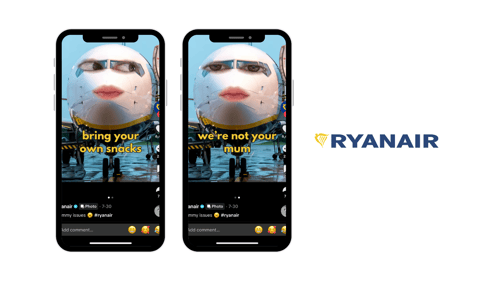
From campaign shoots, user-generated content (UGC), events, and video production, content is exploding, everywhere.
But in this mass content creation, consent and compliance can easily get overlooked.
And we get it; it’s boring.
But all influencer marketing reels, music videos, product shots – they all feature people, products or even third-party content that may come with usage rights.
Has that artist been credited? Are there performance rights agreements to consider? Is the model release form still valid or did it expire?
Further, what are the compliance issues? What are the regional marketing laws where you intend to use that content? GDPR governs data in the UK, while data privacy in the US is also covered by GDPR, plus the CCPA in California.
What are the cultural sensitivities and local marketing laws you need to abide by?
The list goes on.
In this article, we’re covering:
- The Importance of Consent Tracking
- Examples of Marketing Appropriateness Across Industries
- Examples of Region-Specific Marketing Laws
- A List of the Main UK Marketing & Advertising Compliance Regulators in the UK
- The Consequences of Missing Consent & Poor Compliance
- Why Manually Tracking Consent Isn’t Scalable
- The Software With Consent, Compliance, and Control Built In
- What to Look For in a Consent-Enabled DAM System
- How Controlling Compliance & Consent Looks After Your Brand
- How To Get Started
- FAQs
So let's get into it.
First up, “How do I know if I can use that content?”
So how do you know what you can and can’t use? Or where and when you can use it?
How do you look at a file and immediately know what permissions are attached to it? Which countries you can and can’t use it in?
Using media without clear consent or compliance can create real-world consequences – from legal fines to serious brand damage.
Ambiguous consent tracking puts your brand at risk
Today’s media landscape is complex.
- Your brand might run campaigns across multiple regions, each with its own data and privacy laws, and cultural norms that you don’t want to exploit.
- Your content might feature employees, influencers, or the public – each with different consent requirements.
- Agencies and freelancers could contribute assets from multiple sources where usage rights are blurry or un-ascribed.
- Legacy content from years ago could resurface with unclear usage rights.
And that’s before you factor in privacy regulations.
Non‑compliance isn't just a risk, it's a costly liability. Data breaches associated with poor compliance can lead to fines, lawsuits, and major setbacks.
Under GDPR, for example, using identifiable personal data – which includes someone’s image or voice – without consent, can lead to fines of up to €20 million or 4% of a company’s global turnover (European Commission, 2024).
And there’s your reputational impact, too. A single complaint or takedown request can undo months of creative work and dent your brand’s credibility.
Examples of marketing appropriateness across industries
Cultural and regional differences
- Imagery and clothing: A swimwear ad might be fine in Southern Europe but considered inappropriate or even banned in parts of the Middle East.
- Use of language: Words that are harmless in one English-speaking country might be rude or confusing in another (e.g. “pants” in the UK vs. US).
- Humour: Sarcastic or dark humour that lands well in the UK might fall flat or offend audiences in Asia or the US.
- Religious symbols: Using sacred symbols or festivals in campaigns (like Buddha statues or Diwali imagery) can be seen as disrespectful if done insensitively.
Industry-specific standards
- Alcohol brands: Often face restrictions on showing people actually drinking, or portraying alcohol as linked to success or attractiveness.
- Pharmaceuticals: Must comply with strict rules about claims, side effects, and target audiences, and often can’t advertise directly to consumers at all (unlike in the US).
- Financial services: Must ensure all claims are clear, fair, and not misleading – no overpromising returns or hiding risks.
- Food and drink: Claims like “healthy” or “natural” are tightly regulated in many regions and must be backed by evidence.
Audience sensitivity
- Children’s advertising: Requires extreme care. There are strict limits on using cartoon characters, promotions, or persuasive tactics that exploit children’s naivety.
- Diversity and representation: Brands are expected to reflect audiences authentically. Tokenism, stereotyping, cultural appropriation, or lack of inclusivity is taken very seriously.
- Body image: Industries like fashion and fitness need to be transparent, and responsible about how they portray bodies, beauty, and health.
Legal and ethical considerations
- Data use: Collecting personal data for marketing without clear consent breaches GDPR and similar laws.
- Influencer marketing: Posts must disclose paid partnerships clearly. Hashtags like #ad or #sponsored are required in many countries.
- Green claims: Sustainability-related marketing must avoid greenwashing. Claims must be verifiable and specific.
Examples of region-specific marketing laws
Region-specific marketing laws are often tied to health, environmental, cultural, or data privacy concerns, and require close consent and usage rights control.
The below tables are by no means exhaustive, but indicative of regulations, laws and guidelines put in place to manage consent.
1. Food and beverages (non-alcoholic)
Food and drinks are regulated differently across different regions for their public health, nutrition, environmental, and even political or religious reasons.
|
Region |
Key restrictions |
Examples |
|
EU |
Marketing must comply with the EU Food Information Regulation (1169/2011). It restricts misleading claims like “healthy” or “natural” unless scientifically proven. |
Cannot market sugary drinks to children (France, UK). “Sugar-free” must meet strict thresholds. |
|
UK |
HFSS (High Fat, Salt, Sugar) rules limit advertising junk food before 9pm on TV and online. |
Coca-Cola, McDonald’s, and Kellogg’s have had to redesign digital campaigns. |
|
US |
FDA regulates labelling claims (e.g., “low-fat”, “organic”). FTC monitors misleading marketing. |
“Natural” and “Made in USA” claims are often challenged. |
|
Middle East |
Halal certification required for some markets; public morality restrictions on imagery. |
2. Cosmetics and skincare
Cosmetics and skincare are regulated for health and safety reasons, product efficacy claims, and ethical marketing.
|
Region |
Key restrictions |
Examples |
|
EU & UK |
Content cannot claim to “cure” or “heal” skin conditions unless medically certified. Ingredient disclosure mandatory. |
|
|
US |
3. Pharmaceuticals and Supplements
The pharmaceutical and supplements industry is often held to strict consumer protection and medical ethics regulatory rules.
4. Environmental and sustainability claims
Environmental and sustainability claims often face regulations for greenwashing concerns and consumer transparency.
5. Tech, software and data
Technology, software and data are closely regulated for privacy, security, and consent for consumer safety.
|
Region |
Key restrictions |
Examples |
|
EU/UK |
GDPR governs all consent-based data usage in marketing. |
|
|
US |
Patchwork of state laws (e.g., CCPA in California). |
|
|
China |
PIPL (Personal Information Protection Law) stricter than GDPR in some areas. |
Requires explicit user consent for cross-border data transfer. |
List of marketing and advertising compliance regulators in the UK
- Advertising Standards Agency (ASA) – This is the UK's independent advertising regulator. It handles complaints and enforces the rules for all non-broadcast, broadcast, and online advertising.
- The Committee of Advertising Practice (CAP) – This organisation writes the advertising codes for non-broadcast advertising, sales promotions, and direct marketing.
- The Broadcast Committee of Advertising Practice (BCAP) – This organisation writes the advertising code for broadcast advertising (TV and radio).
- Information Commissioner's Office (ICO): The ICO is responsible for enforcing data protection laws, including the Privacy and Electronic Communications Regulations (PECR), which apply to marketing and data use, such as email and cookies.
- Ofcom – This is the regulator for the UK's communications industries, including the TV and radio sectors.
- Local planning authorities: These authorities are involved in regulating the physical placement of advertisements, such as billboards.
- Financial Conducts Authority (FCA) - Regulates financial services in the UK, protecting consumers, reducing risk, and ensuring firms act responsibly and transparently.
Missing consent and poor compliance could sink your campaigns
Let’s imagine: Your social team reuses an event photo, but one attendee never agreed to public use. A freelance photographer’s contract didn’t include commercial licensing. An influencer’s post is republished globally, breaching regional rights.
Each of these small oversights could potentially trigger legal claims, brand embarrassment, or lost trust.
According to PwC’s Global Compliance Study 2025, only half of organisations have a consent management system in place – even though most know they should. That gap is where risk lives.
Tracking consent manually? It’s not good enough
Relying on spreadsheets, shared drives, or emails to track who gave permission for what is archaic – and it isn’t scalable.
Teams grow. Campaigns multiply. Files get renamed, moved, or duplicated. And before long, you’ve got a library full of brilliant content that you’re not sure if/where/how you’re allowed to use it 🫤
Brand managers need to control consent with:
- A single source of truth for all content and rights.
- Clear visibility of who or what is in each asset and how you can use it.
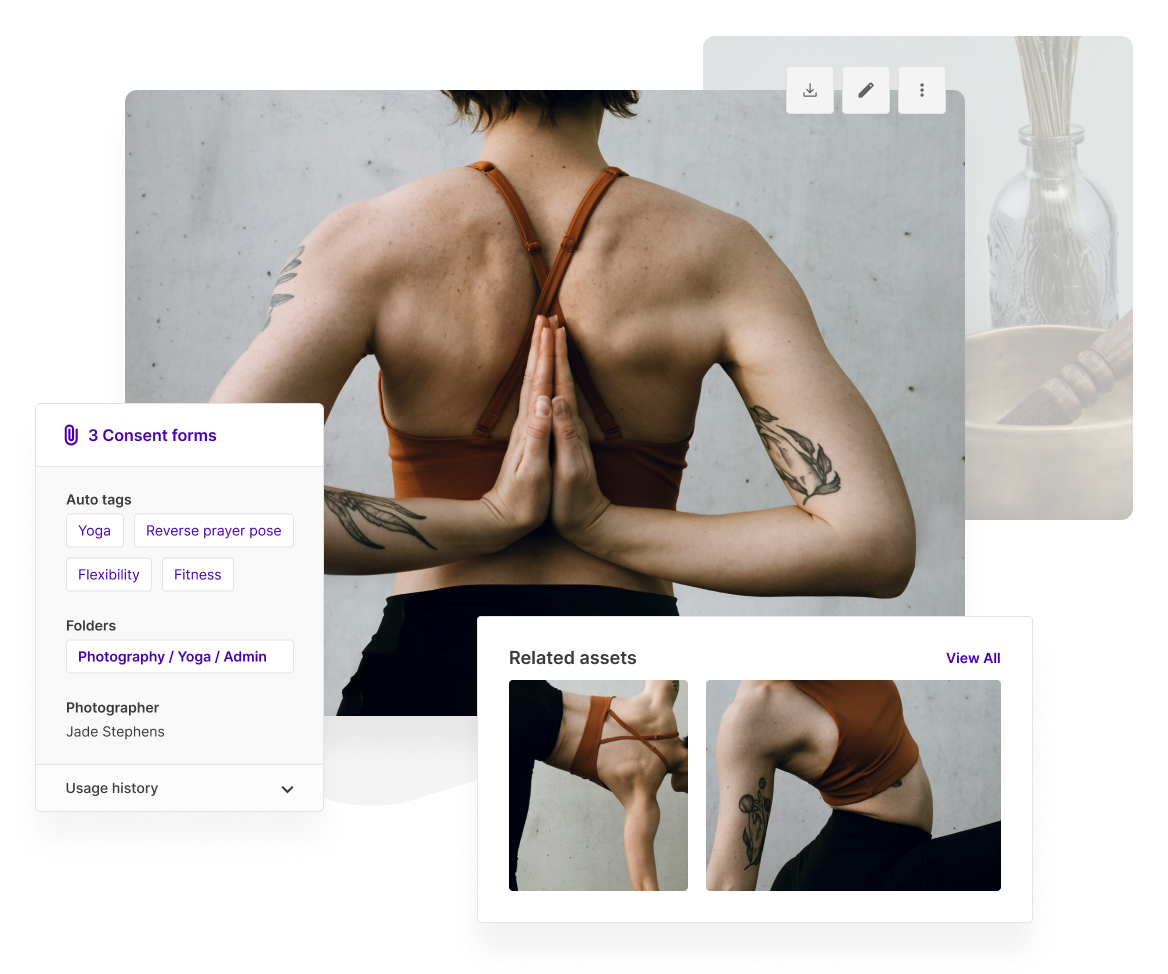
- Important usage rights and compliance information linked to each image/asset.
- Automation to flag expired consents or licences before they cause problems.
Digital asset management (DAM) software with consent, compliance, and control built-in
Asset Bank's Digital Asset Management (DAM) platform centralises all your brand’s media – images, videos, audio, documents – in one secure, searchable place.
But when it’s combined with consent and rights management, it becomes something even more powerful – a compliance engine for your creative workflow.
Think of it as your team’s safety net. Every asset is stored with its usage rights, consent form, expiry date, and region restrictions baked into its metadata – and easily accessible to all users.
How a DAM with consent management keeps you safe
|
Challenge |
Without DAM software |
With DAM software with built-in consent management |
|
Tracking permissions |
Scattered across folders and inboxes |
Centralised, linked to each asset’s metadata |
|
Renewing expired consents |
Manual reminders, often forgotten |
Automated alerts for renewal or expiry |
|
Searching for approved assets |
Time-consuming and uncertainty |
Filter by consent status, location, or usage type |
|
Compliance checks |
Painful audits |
Instant, audit-ready reports |
|
Risk exposure |
High – guesswork and inconsistency |
Low – visibility and governance built-in |
What to look for in a consent-enabled DAM system
When exploring platforms, make sure your DAM includes these features:
1. Consent and rights metadata
Each file should carry structured data showing who granted consent, when, for what use, and where it applies.
2. Automated alerts
Notifications before consent expires keep you compliant without manual chasing.
3. Advanced search
Only show assets approved for commercial use, by region or campaign, in seconds.
4. Audit trails
Generate reports to prove compliance – essential for legal, HR, and brand protection teams.
5. Integration with creative tools
Plug your DAM directly into Adobe, Canva, WordPress, and more, or link to brand portals to share content externally, ensuring your teams always access compliant assets.
How controlling compliance and consent looks after your brand’s reputation
Managing consent isn’t just about avoiding trouble. It’s about respecting the people who make your content possible – your employees, partners, influencers, audiences, and community.
Consumers increasingly expect brands to act responsibly. Demonstrating that you do builds trust and reinforces brand integrity.
In short: consent management and compliance = good ethics, good governance, and good marketing.
Managing consent – How to get Started
Here’s how to bring consent control into your content management workflows:
- Audit your existing content. Identify which assets have missing consent and/or unclear compliance.
- Standardise your metadata. Use consistent fields for consent type, usage rights, and expiry date.
- Integrate relevant documents. Link digital forms directly to your asset system.
- Automate monitoring. Set alerts for renewals, revoked consent, or regional restrictions.
- Educate your teams. Make consent part of your creative checklist, not an afterthought.
If your assets live in multiple drives and spreadsheets, consent management can quickly become a game of ‘guess the usage permissions’.
A Digital Asset Management system with built-in consent control gives you confidence. It helps your team move faster, stay compliant, and protect the integrity of your brand.
So before your next campaign goes live, ask yourself: Do we know, for sure, that every asset we use is cleared for use?
If the answer’s anything but “yes”, it might be time to explore how Asset Bank can help.
Get in touch with the team to chat about how Asset Bank could help you control your consent and compliance.

FAQs: DAM and consent management
What is a DAM system?
A Digital Asset Management (DAM) system is a central hub for storing, organising, and sharing your brand’s digital content – everything from photos and videos to design files and documents. Unlike basic cloud storage, a DAM adds structure, metadata, version control, and advanced search, so teams can find and use the right content quickly.
How does consent management work in a DAM?
Consent management in a DAM means linking usage rights, release forms, and consent details directly to each asset’s metadata. This gives teams visibility into who is in an image or video, how it can be used, and when permissions expire – all in one place.
How does metadata support compliance?
Metadata tells you everything you need to know about an asset – who owns it, when it expires, where it can be used, and what consent was given. Good metadata is the backbone of compliant asset management.
Who’s responsible for compliance within a marketing team?
While legal and data teams may set the rules, it’s everyone’s job to follow them. A good DAM makes this easy by embedding compliance into everyday creative workflows.
Why is consent management important for marketing teams?
Because marketing relies on real people and creative content. Without clear consent tracking, brands risk legal penalties, takedown requests, and reputational damage. Having consent built into your content workflows protects both your brand and your audience.
How does a DAM support GDPR compliance?
A DAM helps maintain GDPR compliance by securely storing personal data (like identifiable images) with proper consent documentation and usage restrictions. It also automates expiry alerts and ensures only compliant assets are available for use – reducing the risk of accidental misuse.
What are the benefits of integrating consent management with digital asset management?
Combining consent management with DAM gives you:
- A single source of truth for all rights and permissions.
- Automated alerts when consent expires or is revoked.
- Search filters to surface only approved content.
- Audit-ready records for compliance checks.
Together, these features help marketing teams move faster and stay compliant without sacrificing creativity.
No more switching tabs, re-downloading files, or version confusion. Our DAM connects directly to Canva, Photoshop, InDesign, Illustrator, Figma, Sketch, and more so creatives can work faster with on-brand, approved assets at their fingertips.

Dont’ forget to share this post