Prior to introducing a digital asset management (DAM) system, Aarsleff’s digital assets were stored across the company on different servers, network drives, and desktops.
In this case study, we learn how Aarsleff were able to select, implement, and launch a DAM solution within 12 months; revolutionising how they control, maintain and share brand assets across their group of companies in seven different countries.
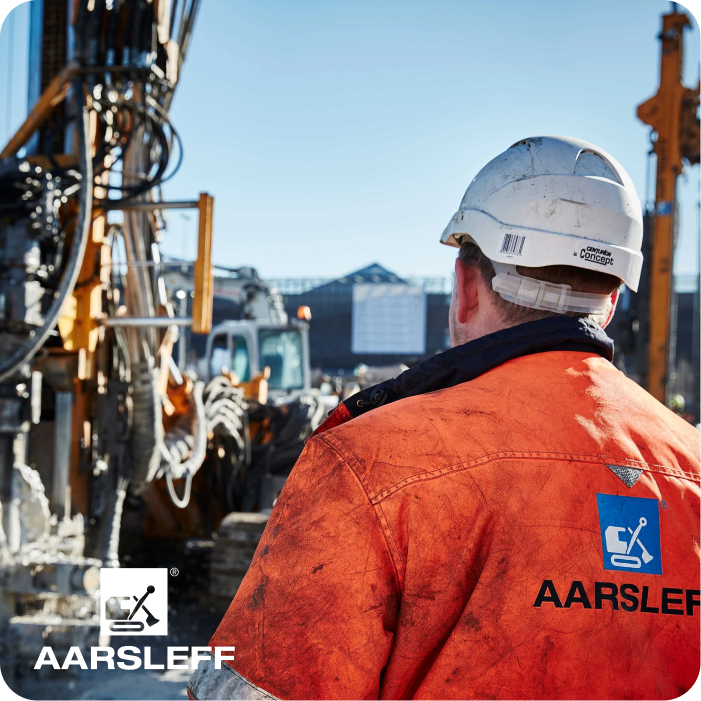
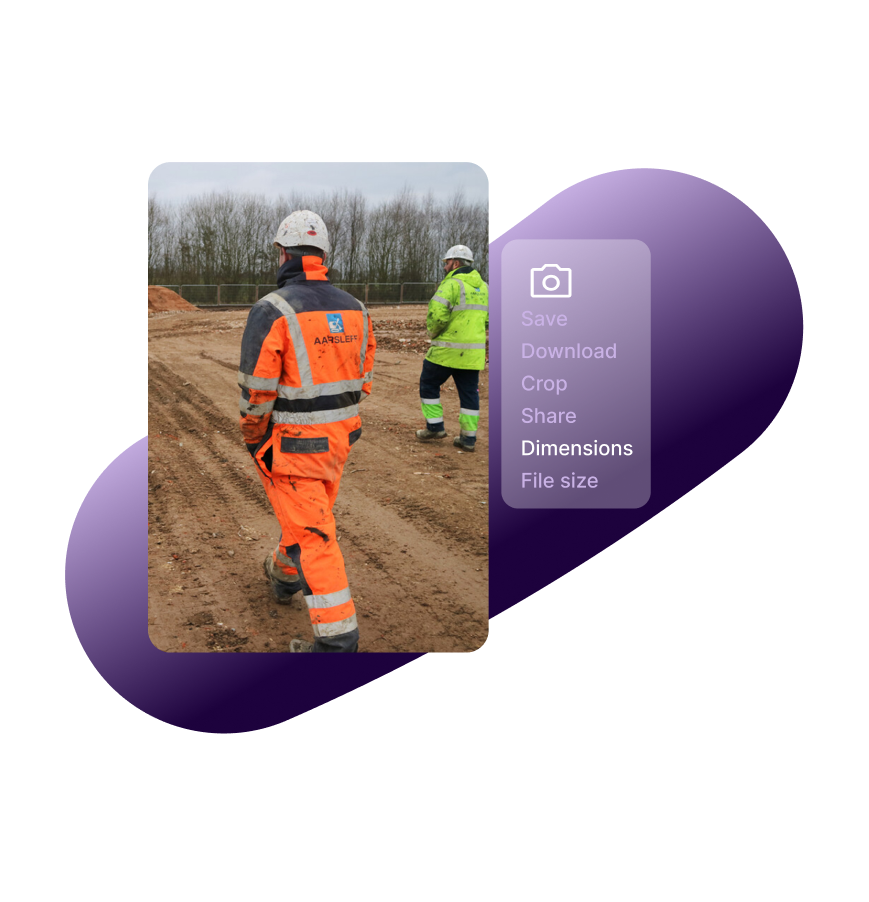
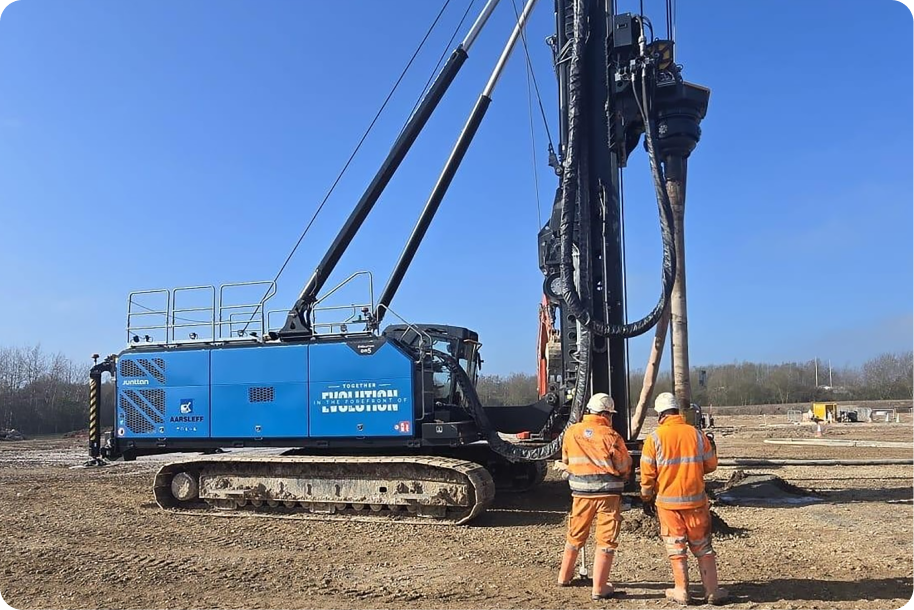
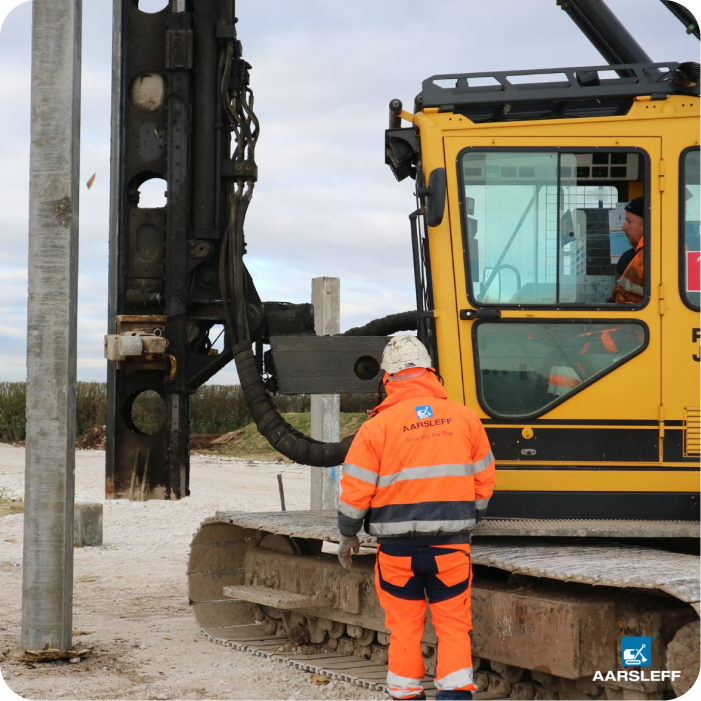
The Aarsleff Ground Engineering Group devises, plans and delivers a variety of projects across the infrastructure, marine, residential, rail, commercial and energy construction markets.
With skilled and professional teams based in Denmark, Germany, Poland, Sweden, Czech Republic, Norway and the UK, the Ground Engineering subsidiaries are equipped to work on several types of site, delivering specialist ground engineering disciplines to solve technically challenging ground related problems in most parts of the world.
With a growing marketing capability in Aarsleff Ground Engineering, it’s more essential than ever that teams can quickly and easily find digital assets for use, both internally and externally.
Keeping track of your digital assets is a common challenge for marketing teams, and Aarsleff were no exception.
As the capability and team grew larger this problem made it increasingly difficult to find and share files with colleagues.
As group marketing and brand manager, Jessica wanted a solution that would keep track of assets from a range of different offices around Europe.
Selecting a DAM that can act as a single source of truth for all marketing assets and project material was vital to align marketing efforts across different countries. The DAM could then allow users to share assets with a branded experience.
There's a wide range of things to consider when selecting a digital asset management solution. One of the most important considerations for Aarsleff was making sure that they chose a vendor that they could truly collaborate and partner with.
Aarsleff started their search for a DAM system in May 2019, and by August the application was up and running with a team of champion users trained and a vast set of imagery uploaded and available to different offices throughout Europe.
By working closely together throughout the onboarding process, we ensured that effective decisions were made and regularly tested with users to get real feedback on what options would be most useful to the full range of users, not just the admins.
One of the most important things to ensure a successful launch was to get a variety of users involved during the onboarding and configuration conversations.
By involving a group of ‘champion users,’ there was a regular flow of information between the project team and the end users. This helped them get feedback on each stage of the design so changes could be made to further improve the user experience.
The folder structure that we have implemented is designed to guide users through a number of clear areas, helping users to navigate the asset bank and easily find what they’re looking for. This can be based on a specific service, country, project, or a number of other criteria. Once a member of the marketing team has found the files they are searching for, they can learn more about the image to make sure it’s suitable for use in their document.
In addition to making files easy to find, one huge benefit of Asset Bank has been the range of sharing options. Employees can easily use the ‘transfer room’ area to quickly share files (large and small) with colleagues, or users can select a number of images and create a gallery, which can be published and sent to people externally. Both of these options give a fully branded experience, helping to bring the Aarsleff brand to the front and centre as opposed to other platforms which are less customisable.




.png?width=1921&height=1080&name=Case%20Study%20Banner%20Template%20(22).png)
.jpg?width=2000&height=934&name=ShelterBox%20Case%20Study%20(5).jpg)